


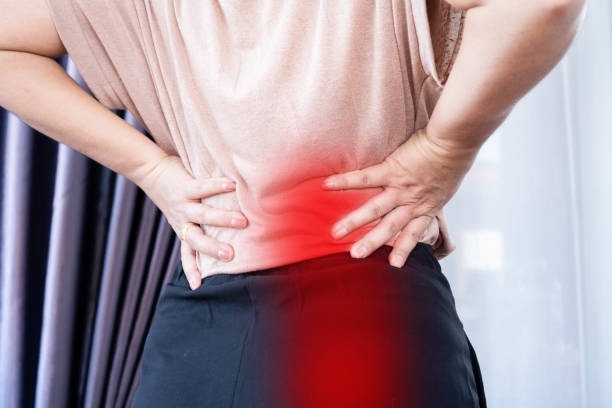
It usually begins like a quiet dull ache, kind of a small nudge that your body is getting overworked. Maybe it shows up when you push up from the chair, or maybe it gets louder after a longer walk. Living with lower back and hip pain can make normal stuff feel like huge assignments, you know the kind. It’s a fairly common issue, but really, figuring out what’s driving it is the first step to getting back your ease and movement, again.
Understanding the way lower back and hip pain usually works
The human kinetic chain is kinda like a complex web of muscles, ligaments, and joints. When one part of it starts struggling, the rest often does the compensating, and then you get that ripple effect of discomfort. Lower back pain and hip pain often come from how these structures interact maybe not being as aligned as they should be. Like if your pelvis is tilted, then your lumbar spine might end up taking more strain than it should, while your hip joints end up carrying loads in a way that feels kinda wrong. This connection is why it’s important to look at the body as a complete system not just chasing one single point of agony.
Common triggers for lower back & hip pain
Why does this kind of discomfort keep hanging around? A lot of folks notice that today’s mostly desk based routines are the main culprit. When you’re seated for hours, your hip flexors get shorter in a kind of stubborn way, and then it basically tugs on your lower spine, not helping it. On the other hand, going hard with activity but skipping real recovery can also create irritation. Below are four pretty common things that tend to worsen the whole situation, in real life more than people expect:
- Long stretches of sitting: the “sitting disease” makes hip flexors stay tight for too long, pulling the pelvis forward and boosting stress on those lower lumbar discs.
- Muscular imbalance: if the glutes are underpowered, the lower back muscles end up doing extra work, and that can turn into sore spasms or tightness.
- Shoes that aren’t doing the job: footwear without solid arch support can change how you walk, and then tension travels, step by step, through your hips and into your back.
- Not great sleeping setups: a mattress that doesn’t match spinal alignment well can keep the tissues locked in a sort of background tension all night.
The whole deal with Movement and Mobility
Rest is usually necessary when you’re in that acute flare up, but too much stillness isn’t really the long term answer. Gentle moving around can keep the blood flowing toward the area that’s bothering you, and that kind of flow seems to help the tissues mend. In a simple way, movement is like a form of “lubrication” for your joints, sure. Adding light, controlled stretches into your morning routine, even for a few minutes, can make a surprising difference in how your body handles the rest of the day.
Restoring balance, through targeted strength.
If you want to truly calm chronic discomfort, you need to build resilience not just stretch forever. Concentrating on core stability and hip strength creates kind of a protective corset around your spine and that pelvic region. When your core is strong, your back doesn’t end up doing all the stabilizing work for your whole torso, which is what usually triggers that nagging feeling. Strength training isn’t only for athletes, either it is a base layer, a foundational pillar for basically anyone trying to reduce repeating lower back and hip pain.

Ergonomic tweaks for day-to-day comfort
If your desk area is where the trouble starts, even small changes can turn into big results. Make sure your monitor is set about eye level so you do not keep rounding forward , because that habit usually drags tension down through your body and right into your hips. And if you are stuck sitting for long stretches, pick a chair with lumbar support, or add a compact pad so you can keep the spine’s natural curve, without forcing it. When you improve the setup like this you help stop the slow buildup of tiny injuries, those micro-traumas , that later show up as steady, chronic pains.
When to seek professional guidance
Even though lifestyle changes can help a lot , they are still not a direct stand in for medical advice. If your lower back and hip discomfort comes with numbness, a tingling sensation, or pain that seems to travel down your legs , then it is likely time to talk with a physical therapist or a physician. They can run a tailored evaluation, in order to rule out hidden structural problems and help you map out a recovery plan that stays safe, and works well for your particular anatomy.
Keeping a Pain-Free Way of Living
Sticking with it is like the main ingredient for real, lasting relief. Sure it is simple to start a stretching routine and then kind of fade out as soon as you feel better, but ongoing care is what really keeps that annoying discomfort under control. Maybe it is a daily walk, a focused glute strengthening session, or even subtle posture changes while you are at your desk, doing the mindful kind of thing. Those small efforts toward your physical wellbeing, they build up steadily, and the payback shows itself later.
Conclusion: Moving forward with confidence, mostly
So yeah, your journey to deal with lower back and hip discomfort is personal, it also needs a good dose of patience and a little curiosity. If you tune in to your body signals, you can start noticing what’s really going on, and then address structural imbalances in a steady way. It’s also about making specific ergonomic shifts, not just thinking about them. When you do that, you’re kind of giving yourself permission to have a more active, more comfortable everyday life. You already have the tools, and honestly the knowledge too, to get past that plateau that feels stuck.
