


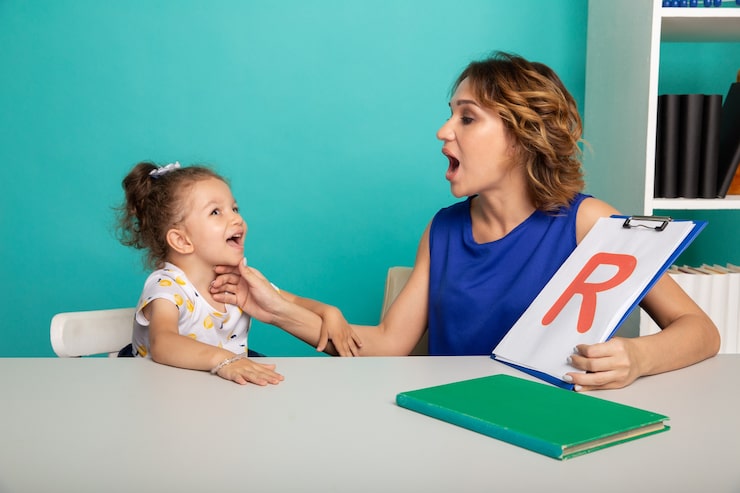
When a child has difficulty expressing thoughts or understanding language, daily life can become challenging. Parents may notice frustration, withdrawal, or difficulty participating in school and social activities. Communication is more than words; it shapes confidence, learning, and relationships. That is why Language Delay Therapy , can be a powerful step toward helping your child thrive.
With personalized guidance and family involvement, children can build meaningful communication skills that support long-term success.
Understanding Language Delays
Language delay occurs when a child develops understanding or speaking skills later than expected for their age. This may involve limited vocabulary, difficulty forming sentences, trouble following directions, or challenges in conversation. Some children understand more than they can express, while others struggle with both comprehension and expression.
Language development affects many aspects of growth. Strong communication skills support literacy, problem-solving, emotional expression, and peer relationships. When delays are addressed early, children are better prepared to succeed academically and socially.
Why Early Intervention Is Important
The early years of life are critical for brain development. During this period, children’s brains are especially responsive to learning language. Early intervention increases the likelihood of significant progress because therapy builds foundational communication pathways when they are most adaptable.
However, it is never too late to seek support. Older children and teenagers can also benefit from therapy, particularly if language challenges are affecting school performance or social confidence.
What Language Delay Therapy Involves
Language delay therapy focuses on improving both receptive and expressive skills. Receptive language includes understanding instructions, questions, and stories. Expressive language involves using words, sentences, and gestures to communicate ideas.
Therapy sessions are individualized and often play-based for younger children. Activities may include storytelling, pretend play, structured conversation, and interactive games that encourage natural communication. For school-aged children, therapy may also target reading comprehension, written expression, and social communication strategies.
Sessions are designed to feel engaging and supportive rather than clinical or rigid. This encourages children to participate willingly and build confidence.
A Child-Led, Neurodiversity-Affirming Model
A neurodiversity-affirming approach respects each child’s unique communication style. Rather than focusing on “fixing” differences, therapy aims to support functional communication that helps children meet their personal goals.
Child-led sessions allow therapists to follow the child’s interests. If a child enjoys building, drawing, or imaginative play, those activities become opportunities to practice language. This method increases motivation and creates a positive learning experience.
By fostering trust and engagement, therapy becomes a collaborative journey rather than a pressured task.
Addressing a Range of Communication Needs
Language delay therapy can support children with various communication challenges. Some may have childhood apraxia of speech, which affects motor planning for speech production. Others may experience articulation differences that make speech difficult to understand. Some children process language in chunks, known as gestalt language processing, and need guidance to develop flexible language use.
Augmentative and alternative communication systems can also be introduced when needed. These tools give children additional ways to express themselves, ensuring their voice is heard while verbal skills continue to develop.

Families seeking Speech Therapy in Westchester often value in-home services. Familiar environments help children feel comfortable and provide real-life opportunities to practice communication during everyday routines.
The Role of Family in Progress
Family-centered care is a key element of effective therapy. Parents and caregivers are involved in goal-setting and learn practical strategies to use at home. Communication development does not stop when a session ends; it continues throughout daily life.
Simple adjustments, such as expanding a child’s short phrases, pausing to allow processing time, or encouraging choices, can significantly enhance language growth. Consistency across environments strengthens learning and helps children generalize new skills.
When families and therapists work together, children receive comprehensive support that maximizes progress.
Long-Term Benefits of Language Support
Effective language delay therapy influences more than speech. Children who improve communication skills often experience increased confidence and stronger peer relationships. They are better able to express needs, manage emotions, and participate in group activities.
Academic performance also benefits. Language is closely connected to reading, writing, and comprehension. Early and consistent support can reduce future academic struggles and foster independence.
When to Consider an Evaluation
Parents know their children best. If you notice persistent difficulty with understanding or expressing language, seeking an evaluation can provide clarity. Even if therapy is not immediately recommended, professional guidance can offer reassurance and practical advice.
Taking action early demonstrates advocacy and care. Addressing concerns proactively can prevent frustration and create opportunities for growth.
Encouraging Language at Home
Everyday interactions provide powerful learning moments. Reading books together, narrating daily routines, and asking open-ended questions encourage communication. Limiting passive screen time and prioritizing interactive play also supports language development.
Creating a patient and supportive environment helps children feel safe experimenting with new words and ideas. Confidence grows when communication attempts are acknowledged and encouraged.
Conclusion
Language delay therapy offers individualized, compassionate support that empowers children to communicate effectively. Through child-led sessions, neurodiversity-affirming practices, and family collaboration, children develop stronger receptive and expressive skills. Early intervention builds a foundation for academic success, social connection, and emotional well-being. If communication challenges are impacting your child’s daily life, seeking professional guidance can open the door to lasting growth and confidence.
FAQ
1. How can I tell if my child has a language delay?
If your child consistently struggles to understand instructions, use age-appropriate vocabulary, or form sentences compared to peers, an evaluation with a speech-language professional is recommended.
2. Is language delay therapy only for toddlers?
No. While early intervention is beneficial, children and teens up to age 18 can benefit from therapy if communication challenges affect academics or social interaction.
3. Can parents support progress outside of therapy sessions?
Yes. Using strategies provided by the therapist during everyday routines helps reinforce skills and encourages consistent language development.
